15 Eco-Friendly products swaps to Reduce Plastic Waste
Discover 15 simple effective eco-friendly products swaps that can help you reduce plastic waste. Make a positive impact on the environment with these easy changes to your everyday life.
9 min read
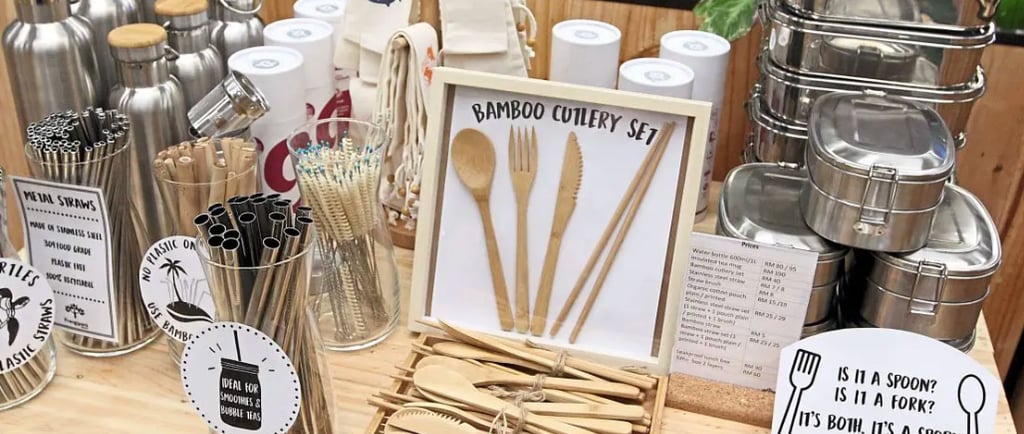
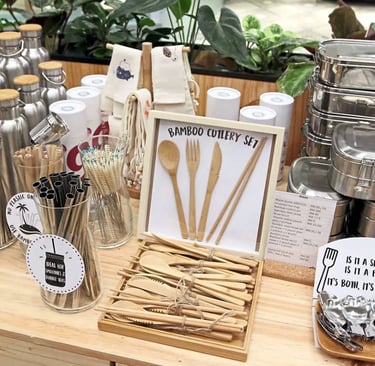
Eco-Friendly swaps to reduce plastic waste at home.
Growing concerns about microplastics are becoming impossible to ignore. Researchers have detected tiny plastic particles in tap water, seafood, egg yolks, and even vegetables grown in soil. Recent studies suggest that people today may be consuming more than six times the amount of microplastics compared to 2010, raising growing concerns about their long-term health effects. Many of these microplastics originate from plastic kitchen products, food packaging, and everyday household items.
One of the most effective ways to reduce exposure to microplastics is by making conscious choices when buying kitchen essentials. Switching to eco-friendly kitchen products made from natural, reusable, and biodegradable materials can significantly reduce plastic waste in the kitchen and create a healthier home environment.
Below are 15 easy eco-friendly kitchen swaps that can help you build a plastic-free, sustainable kitchen while reducing waste and protecting the planet.
1. Replace Plastic Straws with Stainless Steel or Bamboo Straw.
You are the conscious shopper, your one conscious decision and purchase, to swap that regular plastic straw to the "easy to carry", "durable long lasting" , easy to clean, re-usable and biodegradable, and definitely environmentally friendly , the "STEEL STRAWS" or "BAMBOO STRAWS" , now available at most retails malls in the kitchenware section or across most e-commerce platforms. Read the FAQ sections to get more details on the material and cleaning tips.
Shop for Steel Straws and Bamboo Straws on Amazon
2. Ditch Plastic Bags for a Reusable Grocery Bags
Plastic bags are a major source of pollution. We all can play a small part, with one simple swap, with a conscious choice to purchasing a reusable non plastic grocery bags, that are not only sturdy but also feature attractive designs that can fold compactly to fit in the palm of your hand, making them easy to carry in your purse or car. The reusable grocery bags not only reduces plastic consumption but also proves to be more durable for your shopping needs.
Check out IKEA for reusable grocery bag.
Shop for Reusable Grocery Bags on Amazon
3.Replace pantry and laundry plastic organisers with baskets
Use Rattan Baskets or Wicker baskets or cotton ropes, to organise pantry ingredients, laundry baskets.
Check the wide range of eco-friendly basket for your home at HabereIndia
4. Swap Plastic Mesh Refrigerator Organizers for Reusable Cotton Mesh Bags
Stay organized sustainably with reusable cotton mesh produce bags, an eco-friendly alternative to plastic grocery organizers. Lightweight, breathable, and biodegradable, cotton mesh bags keep fruits and vegetables neatly organized while reducing plastic waste. Shop, store, and organize with ease using durable cotton mesh bags designed for sustainable living.
For Reusable Cotton Mesh bags Amazon
5. Use Beeswax Wraps Instead of Plastic Wraps or Cling Wraps.
We are all guilty of wrapping that extra sandwhich , or that left over of our eat out, or that one extra piece of juicy kebab with cling film to be stored in refrigerator. What if, one small conscious swap today, to reduce plastic waste in our kitchens, by switching to BEESWAX WRAPS, which help keep food fresher for longer without the guilt of polluting our surroundings with plastic that isnt easy to recycle.
Check out for Beeswax Wraps on Amazon
6. Switch from Paper Towels to Reusable Cloths
Instead of relying on paper towels, make the switch to washable cloths. They are more cost-effective in the long run and drastically reduce paper waste. Refer to FAQ on how to clean and reusable cloth towels.
Check out Amazon for Reusable Cloth kitchen wipes.
7. Switch to Plant-Based Kitchen Sponges : Eco-Friendly & Effective Cleaning
Many traditional cleaning products and synthetic sponges contain plastics or harmful chemicals. Switching to natural, plant-based cleaning tools and eco-friendly ingredients helps keep your home clean while reducing environmental impact. Choosing Safer Cleaning Products. Plant-based kitchen sponges made from natural materials such as sisal hemp fibers, wood cellulose, or coconut husk are a sustainable alternative to conventional synthetic sponges which are certified Forest Stewardship Council (FSC) and PETA approved. Refer to FAQ on FSC and other sustainable labels .
Replace plastic or metal scrubbers with Eco-friendly show now at Amazon
8. Replace Plastic Dish Brushes with Bamboo Brushes
Complete kitchen set would include replacing the plastic bottle and jar cleaning brushes with eco-friendly wooden dish brushes with sisal or palm fibres. Bamboo Natural Kitchen fibre brush scrubbers, can be alternative to replacing plastic bottle cleaners and brushes that are also bio-degradable.
Check out Amazon for eco-friendly cleaning brushes , scrubbers.
9. Invest in Reusable Water bottles , jars and containers
Replace plastic bottles and jars with glass bottles and jars to store liquids, grains and snacks. Reuse old jam or pickle or even empty beer bottles as DIY eco-friendly project. Plastic storage containers or bottles, contribute to significant plastic waste. Reusable water bottle is not only environmentally friendly, but also a health-conscious choice to minimize harmful chemicals found in some plastics.
Shop for Reusable Water Bottles, jars on Amazon
10. Swap that plastic bottle and storage containers with food grade stainless steel or copper.
Switching from plastic bottles and storage containers to food-grade stainless steel or copper can help reduce exposure to harmful chemicals such as BPA and other toxins that may leach into food and beverages. Stainless steel is durable, non-reactive, and safe for storing both hot and cold foods, helping maintain the natural taste and quality of what you store. Copper containers are also valued for their natural antimicrobial properties, which can help inhibit the growth of certain bacteria while supporting traditional wellness practices. Refer to FAQ on how to clean brass and copper utensils at home.
Replace the plastic containers with Food Grade Copper container shop on Amazon now.
11. Switch to biodegradable environmental friendly cutlery.
Hosting a house party or outdoor event or picnic, make that conscious choice to purchase biodegradable wooden cutlery like spoons, forks and even serving plates and containers. Choose cutlery made from bamboo, wood, sugarcane bagasse, or plant-based materials instead of plastic utensils.
Shop for biodegradable meal and tablewear at Ecosoulhome
12. Reusable Coffee Filters
Love your freshly ground coffee, worried about disposable coffee filters . Replace disposable coffee pods or paper filters with reusable stainless steel or cloth filters
Check out the Hasthip Stainless Steel Coffee Filter on Amazon
13.Replace Plastic Cooking Utensils with Wooden or Bamboo Utensils
Plastic cooking utensils can melt or release harmful chemicals when exposed to high heat. Wooden Utensils have been the oldest material that have been used. Switching to wooden or bamboo utensils , coconut shell spoons or ladles provide a safer and more sustainable alternative. These natural materials are biodegradable, durable, and gentle on cookware surfaces. Read more and refer to FAQs.
Check out the collection of wooden spoons and spatulas Zollyss on Amazon
14. Select Compostable Bags for Trash
Compostable trash bags break down naturally, unlike conventional plastic bags. This small swap contributes positively to reducing landfill waste.
Eco-friendly bio-degradable garbage on Amazon
15 . Refillable Eco-Friendly Cleaning Products.
Switch to refillable cleaning solutions made with natural ingredients to reduce plastic packaging.
For Certified Eco-friendly certification and accreditations , Eco-me brand available on Amazon.
Conclusion
Making eco-friendly swaps does not need to be overwhelming. By integrating even a few of these 15 household changes into your daily life, you can contribute to a healthier planet for generations to come. Start small, and gradually expand your efforts, paving the way for a greener lifestyle.
Frequently Asked Questions
What does Conscious Sustainable Shopper all about?
Conscious Sustainable Shopper is a affiliate based curated shopping guide for home décor and lifestyle, featuring 🌿 environmentally conscious and ♻️ ethically sourced products, and 🐾 Pet-safe , that features, 🧵artisanal products and locally manufactured. Some links on this website directly, leads to affiliated brand partners, who own and sell the products. Hence all purchases, payments, order fulfilments, deliveries, and returns are managed directly by the respective brands. We do not handle order fulfilments or returns.
As an affiliate partner website, we earn small portion of commission on every successful purchase you make at no extra cost to you, via the link or any "coupon code" that may be published for certain products, which may be applicable for limited duration. Kindly read the validity duration for any "coupon code" for any product listed on our website, before any purchase.
Does affiliate income influence our recommendations?
No. Products are selected based on environmentally friendly, and sustainably sourced, artisanal design and products and preferably manufactured locally. As a curated shopping guide our endeavour is to never compromise on our core mission of sourcing products, that are not just, good for you, your home and your pets , but above all protect and restore mother Earth.
Where can I learn more about you?
You can explore other sections of this website, such as the "About Us" page or our blog, to learn more about our company, mission, and team.
How do we choose, which brands and products to feature ?
We evaluate sourcing, 🔍 verified materials, certifications , ethical practices, durability and brand transparency before listing any product.
Are all products certified sustainable ?
No. all sustainable products carry certifications. We also assess brands using clear disclosures. responsible practices and credible sustainability commitments . But you are just one conscious choice away from selecting or purchasing a verified sustainable certified label, of furniture, furnishing , to every day essentials.
We at Conscious Sustainable Shopper, are here to help you, to learn more and identify the true verified certified sustainable labels that are not just good for you , your pets but above all good for Mother Earth.
Do we personally test the products listed ?
Some products are reviewed through accredited certifications and labels, and are carefully researched using brand transparency , certifications, customers feedback and expert sources
Do we feature international brands ?
Yes. We showcase both global and local brands that align with sustainable and ethical practices
📩 Community & Contact
Can brands collaborate or get listed on your website?
Yes. Ethical and sustainable brands can reach out through our contact page for collaboration or listing opportunities.
How can I stay updated with new products and guides?
You can subscribe to our newsletter or follow us on social media for updates on environmentally friendly, sustainable home -décor , well-being trends, and pet-friendly homes.
🌳 Forestry & Wood Certifications
Forest Stewardship Council (FSC)
Certifies wood and paper products sourced from responsibly managed forests that protect biodiversity, indigenous rights, and sustainable forestry practices.
Programme for the Endorsement of Forest Certification (PEFC)
A global system that endorses national forest certification programs ensuring sustainable forest management and traceable timber supply chains.
Sustainable Forestry Initiative (SFI)
A North American forestry certification focused on responsible forest management, wildlife conservation, and sustainable harvesting practices.


1. What materials are biodegradable cutlery made from?
Biodegradable cutlery is typically made from natural materials such as bamboo, wood, sugarcane bagasse, wheat bran, or plant-based bioplastics like PLA. These materials break down naturally and offer an eco-friendly alternative to plastic utensils.
2. Are biodegradable straws better than plastic straws?
Yes. Biodegradable straws made from bamboo, paper, wheat, or stainless steel alternatives reduce plastic waste and help prevent pollution in oceans and landfills.
3. Can biodegradable cutlery be reused?
Some biodegradable utensils, such as bamboo or wooden cutlery, can be reused a few times if properly cleaned and dried. However, many are designed for single use but will decompose naturally after disposal.
4. Are biodegradable products compostable at home?
Some biodegradable kitchen products can be composted at home, especially those made from wood, bamboo, or plant fibers. Others, such as certain bioplastics, may require industrial composting facilities.
5. What are the benefits of using biodegradable kitchen products?
Biodegradable kitchen products help reduce plastic waste, lower environmental pollution, and decrease microplastic contamination. They are also often made from renewable natural resources
6. How can I identify genuine biodegradable kitchen products?
Look for trusted environmental certifications or labels that indicate the product is made from sustainably sourced materials or compostable plant fibers
BIODEGRADABLE -ECO-FRIENDLY
1. What materials are biodegradable cutlery made from?
Biodegradable cutlery is typically made from natural materials such as bamboo, wood, sugarcane bagasse, wheat bran, or plant-based bioplastics like PLA. These materials break down naturally and offer an eco-friendly alternative to plastic utensils.
2. Are biodegradable straws better than plastic straws?
Yes. Biodegradable straws made from bamboo, paper, wheat, or stainless steel alternatives reduce plastic waste and help prevent pollution in oceans and landfills.
3. Can biodegradable cutlery be reused?
Some biodegradable utensils, such as bamboo or wooden cutlery, can be reused a few times if properly cleaned and dried. However, many are designed for single use but will decompose naturally after disposal.
4. Are biodegradable products compostable at home?
Some biodegradable kitchen products can be composted at home, especially those made from wood, bamboo, or plant fibers. Others, such as certain bioplastics, may require industrial composting facilities.
5. What are the benefits of using biodegradable kitchen products?
Biodegradable kitchen products help reduce plastic waste, lower environmental pollution, and decrease microplastic contamination. They are also often made from renewable natural resources
6. How can I identify genuine biodegradable kitchen products?
Look for trusted environmental certifications or labels that indicate the product is made from sustainably sourced materials or compostable plant fibers
Subscribe to our newsletter
Enjoy exclusive special deals available only to our subscribers.