
Elevating Balcony Spaces
Elevating Balcony Spaces with eco-friendly flooring and furnishing, light design style guides, up-cycle ideas and space planning and functions and incorporating green zones
7 min read


Balcony Design that Matters.
In an urban environment, balconies are often under-utilized spaces that can dramatically enhance your living experience. A well-thought-out balcony design not only boosts your home’s aesthetic appeal but also contributes to your comfort and overall quality of life. With a few strategic choices, your balcony can become an inviting oasis that encourages relaxation and enjoyment of nature.
Balcony design is an extension of the living space and should balance functionality, comfort, and visual appeal while responding to climate, size, and lifestyle needs. A well-designed balcony can serve as a private retreat, social corner, or green oasis within an urban setting.
1. Space Planning and Function
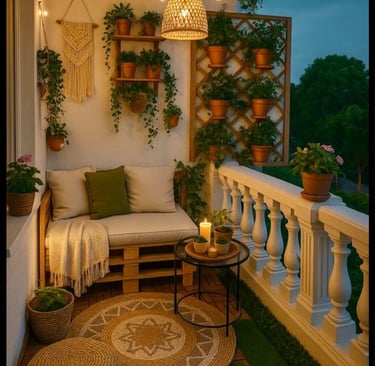
The first consideration in balcony design is its intended use. A compact balcony may function best as a cozy seating nook or a vertical garden, while a larger balcony can accommodate dining, lounging, or even work-from-home setups. Clear zoning seating, greenery, and circulation ensures the space feels organized rather than cluttered.
2. Furniture Selection
Furniture should be proportionate to the balcony size and weather-resistant. Foldable chairs, built-in benches with storage, or slim-profile tables are ideal for smaller balconies. For larger spaces, outdoor sofas, lounge chairs, or swing seating add comfort and character. Materials such as treated wood, metal, rattan, or recycled composites enhance durability and sustainability.
3. Flooring and Surfaces
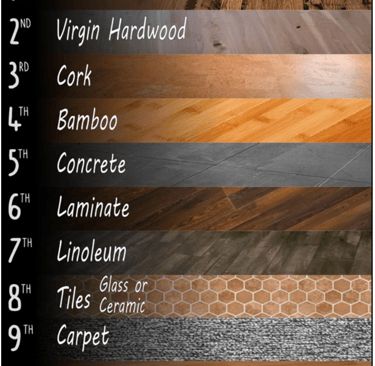
Flooring is an essential component of modern living, it takes up ample space and has a significant impact on not only the aesthetic of our surroundings, but on our health and environment as well. In many types of flooring, pollutants such as volatile compounds (VOCs) and toxins are by-products. Many sustainable flooring options such as hardwood, bamboo, cork, and reclaimed wood are known for durability and longevity when properly maintained.
Sustainable flooring is an eco-friendly way to enhance your home while reducing environmental impact. Made from renewable, recycled, or responsibly sourced materials like bamboo, cork, reclaimed wood, and natural linoleum, these flooring options combine durability, style, and conscious living. Choosing sustainable flooring not only improves indoor air quality but also supports ethical production and long-term resource conservation making it a smart foundation for a greener home.
Flooring plays a critical role in defining the balcony’s aesthetic. Options include deck tiles, natural stone, ceramic tiles, or outdoor rugs. These materials should be non-slip, easy to maintain, and suitable for outdoor exposure. Warm textures help soften the transition between indoors and outdoors. Many sustainable flooring options such as hardwood, bamboo, cork, and reclaimed wood are known for durability and longevity when properly maintained.
4. Lighting Design
Thoughtful lighting extends the usability of the balcony into the evening. Soft, ambient lighting such as wall-mounted fixtures, lanterns, LED strips, or solar lights creates a relaxed mood. Task lighting may be added if the balcony is used for dining or reading.
5. Privacy and Comfort
Privacy screens, planters, bamboo blinds, fabric curtains, or perforated panels help shield the balcony from neighboring views while adding texture and design interest. Cushions, throws, and outdoor textiles increase comfort and allow for seasonal styling changes.
6. Style and Aesthetic
Balcony design can reflect a wide range of styles, minimalist, tropical, bohemian, contemporary, or rustic. Consistency in color palette, materials, and accessories ensures a cohesive look that complements the interior design of the home.
7. Incorporating Green Zones.
One of the most effective ways to enhance your balcony design is by incorporating greenery. Plants not only improve air quality, but also create a calming atmosphere. Choose a mix of flowering plants, herbs, and small trees to add varying heights and textures to your space. Vertical gardens or hanging planters can be great for maximizing small balconies where floor space is limited. By integrating plants, you're not just beautifying your balcony; you're also promoting sustainability and fostering a connection with nature.
Additionally, consider using eco-friendly materials for your balcony furniture and decor. Sustainable options are available for everything from planters to seating, ensuring that your outdoor oasis maintains a low carbon footprint. With thoughtful balcony design choices, you can enjoy a beautiful, functional space while contributing to environmental stewardship.
In essence, a thoughtfully designed balcony transforms a transitional outdoor area into a purposeful, inviting space that enhances both lifestyle and well-being
8.Creating Comfort on Your Balcony
Comfort should be a priority in any balcony design. Begin by selecting the right furniture that suits the space and your lifestyle. Consider adding a cozy outdoor sofa or a couple of chairs with soft cushions to encourage lounging. If space allows, a small table can serve as a spot for morning coffee or evening snacks. Additionally, a stylish outdoor rug can define your space and add an element of warmth. By creating a comfortable atmosphere, your balcony will become a favorite retreat for family and friends.
Final Thoughts
Transforming your balcony into a comfortable, green retreat is achievable with the right design principles. By prioritizing comfort and integrating sustainable elements, you can create a vibrant outdoor space that enriches your everyday living. Whether it’s a place for solitude or social gatherings, a well-designed balcony enhances not only your home but also your lifestyle.
Affiliate disclosure: This post contains affiliate links. If you purchase through our links, we may earn a small commission at no extra cost to you. We only recommend products we genuinely believe in, and all sustainability claims have been independently verified.


Frequently Asked Questions
What does Conscious Sustainable Shopper all about?
Conscious Sustainable Shopper is a affiliate based curated shopping guide for home décor and lifestyle, featuring 🌿 environmentally conscious and ♻️ ethically sourced products, and 🐾 Pet-safe , that features, 🧵artisanal products and locally manufactured. Some links on this website directly, leads to affiliated brand partners, who own and sell the products. Hence all purchases, payments, order fulfilments, deliveries, and returns are managed directly by the respective brands. We do not handle order fulfilments or returns.
As an affiliate partner website, we earn small portion of commission on every successful purchase you make at no extra cost to you, via the link or any "coupon code" that may be published for certain products, which may be applicable for limited duration. Kindly read the validity duration for any "coupon code" for any product listed on our website, before any purchase.
Does affiliate income influence our recommendations?
No. Products are selected based on environmentally friendly, and sustainably sourced, artisanal design and products and preferably manufactured locally. As a curated shopping guide our endeavour is to never compromise on our core mission of sourcing products, that are not just, good for you, your home and your pets , but above all protect and restore mother Earth.
Where can I learn more about you?
You can explore other sections of this website, such as the "About Us" page or our blog, to learn more about our company, mission, and team.
📩 Community & Contact
Can brands collaborate or get listed on your website?
Yes. Ethical and sustainable brands can reach out through our contact page for collaboration or listing opportunities.
How can I stay updated with new products and guides?
You can subscribe to our newsletter or follow us on social media for updates on environmentally friendly, sustainable home -décor , well-being trends, and pet-friendly homes.
How do we choose, which brands and products to feature ?
We evaluate sourcing, 🔍 verified materials, certifications , ethical practices, durability and brand transparency before listing any product.
Are all products certified sustainable ?
No. all sustainable products carry certifications. We also assess brands using clear disclosures. responsible practices and credible sustainability commitments
Do we personally test the products listed ?
Some products are reviewed through accredited certifications and labels, and are carefully researched using brand transparency , certifications, customers feedback and expert sources
Do we feature international brands ?
Yes. We showcase both global and local brands that align with sustainable and ethical practices
🌿 Sustainable Wood & Flooring
What is sustainable wood flooring?
Sustainable wood flooring is made from responsibly sourced timber harvested from well-managed forests. These practices ensure that trees are replanted, biodiversity is protected, and the long-term health of forest ecosystems is maintained. It is a renewable, carbon-neutral, and eco-friendly material that minimizes environmental impact, protects ecosystems, and often carries certifications like FSC ( Forest Stewardship Council) or SFI (Sustainable Forest Initiative) to ensure ethical sourcing.
How can I tell if wood flooring is sustainably sourced?
Look for certifications or clear sourcing information that indicates responsible forestry practices. Transparency about materials, supply chains, and manufacturing processes that can help identify more sustainable options.
What types of wood flooring are considered environmentally friendly?
Options may include reclaimed wood flooring, bamboo flooring, cork flooring, and wood from responsibly managed forests. These materials often have lower environmental impact compared to newly harvested hardwoods.
What is reclaimed wood flooring?
Reclaimed wood flooring is made from salvaged timber sourced from old buildings, barns, or industrial structures. Reusing existing wood reduces demand for new logging and gives materials a second life.
Is bamboo flooring considered sustainable?
Bamboo is often considered a renewable material because it grows rapidly and regenerates quickly. However, sustainability also depends on responsible harvesting and manufacturing practices.
What are the environmental benefits of sustainable flooring?
Sustainable flooring can help reduce deforestation, minimize waste, lower carbon emissions from manufacturing, and promote responsible use of natural resources.
How does choosing sustainable flooring reduce environmental impact?
Choosing responsibly sourced or reclaimed materials reduces the need for new raw materials, lowers waste, and supports forestry practices that protect ecosystems.
How can I maintain sustainable wood flooring?
Regular cleaning, avoiding excessive moisture, and using non-toxic cleaning products can help extend the lifespan of wood flooring while maintaining its natural appearance.


🌳 Forestry & Wood Certifications
Forest Stewardship Council (FSC)
Certifies wood and paper products sourced from responsibly managed forests that protect biodiversity, indigenous rights, and sustainable forestry practices.
Programme for the Endorsement of Forest Certification (PEFC)
A global system that endorses national forest certification programs ensuring sustainable forest management and traceable timber supply chains.
Sustainable Forestry Initiative (SFI)
A North American forestry certification focused on responsible forest management, wildlife conservation, and sustainable harvesting practices.



Can brands collaborate or get listed on your website?
Yes. Ethical and sustainable brands can reach out through our contact page for collaboration or listing opportunities.
How can I stay updated with new products and guides?
You can subscribe to our newsletter or follow us on social media for updates on environmentally friendly, sustainable home -décor , well-being trends, and pet-friendly homes.
Contact
hello@conscioussustainableshopper.com
Subscribe to our newsletter
©Conscious Sustainable Shopper 2026.